The Rituals.
What really happens, what it can't do, and what you ask beforehand. Every page described from the inside, each with a profile at the top. The alignment says what a ritual is built for: healing ritual, vision ritual or cleansing ritual.

Sweat lodge
Not an outdoor sauna. Cleansing, transition, new beginning. A vision, if it's built that way.

Vision ritual
Not finding. Uncovering. Stopping the chattering mind. Why am I here? What is my most important task?

Drum journey
Keep the image. Take a question in, bring an image back. The interpretation belongs to you.

Cacao ceremony
The cacao isn't the ritual. Speaking your intention, being honest in the circle. No high.
Fire ritual
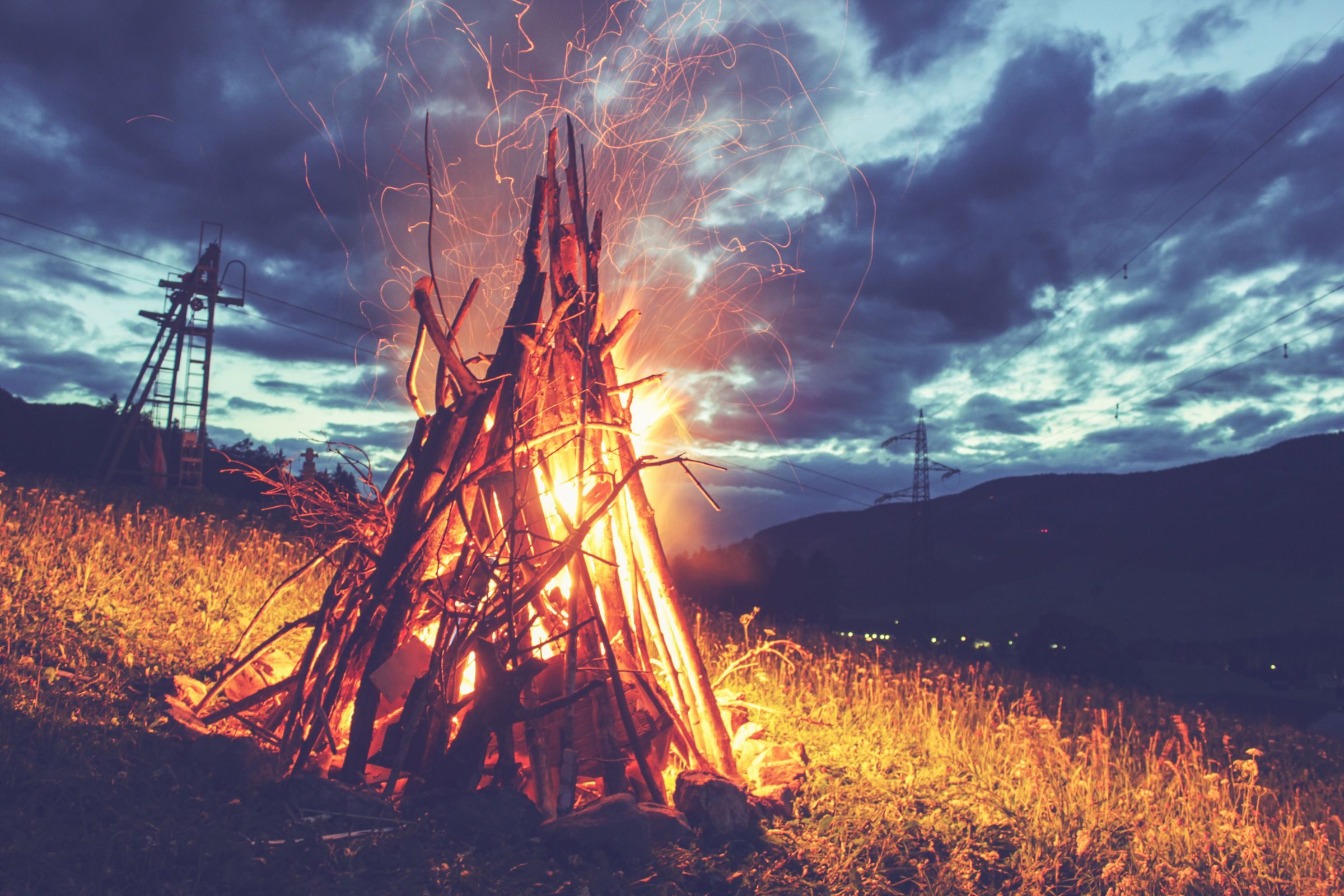
Letting go without a direction is a slip of paper. Letting go of what has to go. Making room, with intention while stacking the wood.

Plant rituals
You get a theme served to you. Healing where it comes from. Often an experience in Europe. The intention can't be held.
Breathwork
Two schools, gentle today. An altered state through the breath. The gentle form is the documented one.
Shamanic dream journey
Safely in. Safely out. Going in with an intention, and holding it through the whole ritual.
Learn ritualsFoundations.
The terms every other page draws its sentences from. No belief, no levels.
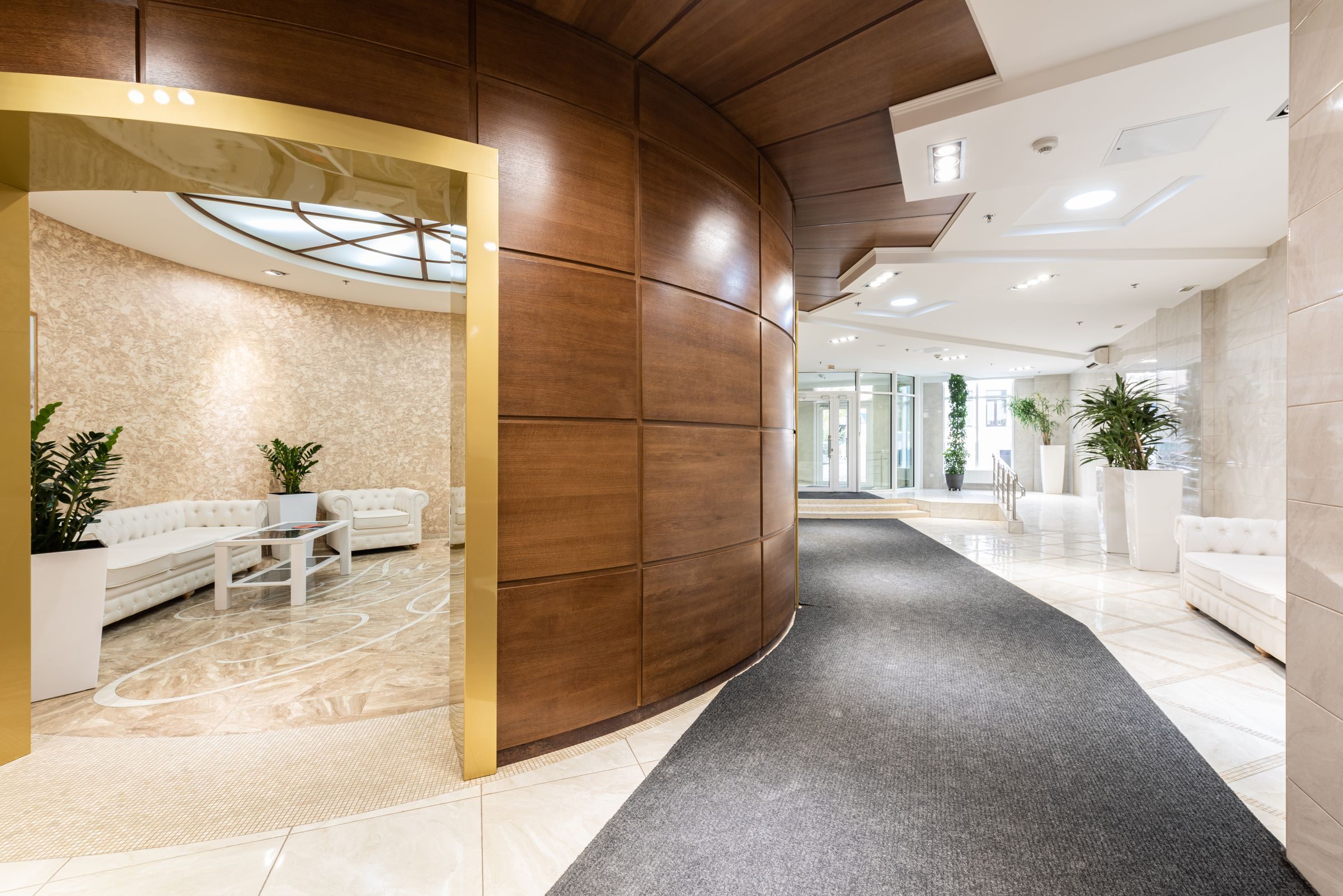
The hotel lobby.
A practical application: how I used dream journeys to turn conferences into an experience. Blank paper, two or three colours, watching the day like a film, pause, draw it in, fast forward. AI can do the agenda. Not the experience.
There is nothing to believe.
What shamanism is and isn't: not a religion, not a creed, a craft. Plus the terms you'll run into everywhere, in clear sentences, from awareness to totality to reality. And the honest line where the claims begin.
Awareness, perception, intention.
Three abilities you were born with. What each one is, what it can do, in what order you find them again, and why intention from the heart is something other than intention from the head. The one definition every other page here draws its sentences from.

Holding space doesn't exist.
"I hold the space" is the friendliest phrase in spiritual circles and the most wrong. You can only hold what stands still, and in a ritual nothing stands still. Why the role doesn't exist, where the phrase puts the person who uses it, and what you can say instead.

Don't touch.
When the body stands still in a ritual and awareness stays awake. For the person, it can be the strongest moment; for the leader, it's the test. You won't find this term explained anywhere else.
Before you go.
Three questions and four paths. What you need to know before you book anywhere.

Look closely. Ask.
Shamanic yoga, reiki, family constellations: the word gets stuck in front of everything. What shaman means (one who knows), the one test question, five questions for any leader, and my own answers to them.
If it's secret, why is it being shared?
No teacher I was ever with used the word secret. What does exist: when you're ready to understand something. Plus "ancient knowledge", shamanic family constellations, and the man in the forest who knows where the plants grow.
Three questions. Five minutes.
Two questions for the person leading and one for yourself. They need no research and no background, and they show more than any online review. A sentence is an answer. Ten minutes aren't.
Four paths. No oversight.
Shaman isn't a protected profession: no register, no state exam, no recognised qualification. The four ways the craft is passed on, what each is worth, where the catch is with each, and what a certificate is really worth.
What I'm working on.
Each of these rituals is getting its own page in the same pattern: what really happens, what it can't do, and what you ask beforehand. No enemy. The problem never sits with the ritual, it sits with the missing direction.
I only write these pages if I know the ritual from the inside. What I haven't done myself isn't here. For the same reason you won't find instructions here, only questions.