
Look closely. Ask.Shamanic yoga, shamanic reiki, shamanic family constellations. The word gets stuck in front of everything. Here's what it means.
The word comes from Siberia and means roughly: one who knows. Not one who believes. And not one who booked it. This page isn't a pillory. It's a tool for checking any offer. Mine too.
No providers, no names. A number is an answer, a name is an answer, a way is an answer. Dodging isn't.
In short.
Shamanism is what this one person does: goes into another state for others, fetches something, and comes back. Not a belief. A craft, with three tools you already have: awareness, perception, intention.
Anything that doesn't do this can call itself whatever it likes. It isn't shamanic. And the word in front doesn't change the thing. It makes it more expensive.
Where the word comes from.
From Siberia. From the Evenki. Šamán. The root means roughly: to know. So a shaman is one who knows. Among the Tungus that was a person with a task for the community. He goes into another state, fetches something, a healing, a knowledge, a soul, and comes back. Called, not booked. Learned over years, often after a crisis.
And now comes the point hardly anyone knows. The word shamanism was already a label before the market took it. A European picked it up from an Evenki in the seventeenth century. The peoples themselves had no word for it. They had the person. Then ethnologists packed practices from all over the world under this one word. A scholar of religion turned it into a theory in 1951. An American turned it into a weekend course in 1980: drum journey, power animal, soul retrieval, worldwide, in three days. That's the form that shapes almost every offer in Europe today.
Shamanic yoga is just the next stage. When a word no longer carries anything, you can stick it in front of everything.
One who knows. Not one who booked it.
The path of a word.
From the Evenki in Siberia to shamanic yoga. The word was already a label before the market took it. When a word no longer carries anything, you can stick it in front of everything.
- Siberia, the Evenki: šamán, one who knows. Called, not booked
- 17th century: a European picks up the word
- Ethnologists: one word for practices from all over the world
- 1951: a scholar of religion turns it into a theory
- 1980: an American turns it into a weekend course, three days
- Today: stuck in front of everything
The Buddha in the oak dresser.
A spiritual teacher from Bali once told me: what the fashion industry has done with Buddha statues is an absolute catastrophe. The Buddha belongs on an altar. Not as decoration on a heavy oak dresser.
The man was right, and you can look it up. In Thailand and Sri Lanka the Buddha isn't decoration. A Buddha head without a body counts as a destroyed image. A statue stands as high as possible, never on the floor. Sri Lanka turns away tourists with a Buddha tattoo.
The same is happening right now with the word shamanic. Something that had a task, on the altar, in the community, becomes a mood. The form stays. The task goes. And the people who know the task watch.
The form stays. The task goes.
The one test question.
You need no research and no background. You need one question, and you ask it of the person making the offer:
What happens in your shamanic yoga that doesn't happen in yoga?
Put in whatever you like. Reiki. Massage. Coaching. Constellations. If the answer is "the drum", it's yoga with a drum. If the answer is "the intention", ask what the person means by intention, and listen for whether a sentence comes or ten minutes. If the answer is a real action that doesn't exist otherwise, you've found something. It exists. Rarely, but it exists.
Five questions for any leader.
For the person standing at the front. Before you sign up, not on the evening itself. There's no right number. There are answers and there's dodging.
- "How many workshops did you do yourself before you gave your first one?"
- "How long did you learn, and with whom?"
- "How long did it take before you stepped up for the first time?"
- "How many people have you guided, in and back out again?"
- "What happens if I want out halfway?"
A sentence is an answer. Ten minutes aren't.
Each ritual has its own questions as well, for example before your first sweat lodge. And the three that apply everywhere: spotting spiritual nonsense.
My answers.
So it's clear what this is: not an accusation against others, but a standard I apply to myself first. The five questions, answered by me.
Around a hundred, with different teachers, over many years. Always as a student.
Seven years with my first teacher. Three years of training with an indigenous shaman in North America, plus a shamaness in Mongolia and a teacher in the Moroccan desert. I keep the names.
Not until my teacher said so. At first I said no. I come from business, I had no credibility there. He said: whoever wonders whether they can do it has respect for the task.
Around two thousand people. Safely in and safely back out.
Whoever leaves gives a sign. Nobody touches. Nobody talks you round. And a ritual is never broken off because one person leaves.
Check it. Ask me at the weekend in Sursee, ask people who've been with me. And ask the same questions of the next offer you come across.
The Labels.
What I found online today, in Switzerland, Germany, Austria. Without names. On the left the word on the flyer, on the right what's underneath.
Yoga with a drum in the background. Yoga is Indian and two thousand years old. The drum doesn't make it shamanic.
Constellations after Hellinger, the eighties, with smudging and ritual around it. No shaman in the world has ever done constellations.
Laying on of hands after Usui, Japan, 1922. With a drum journey as the frame.
Oil massage with feathers and a rattle, diploma from a private school. The rattle is the shamanic part.
A coaching conversation plus a drum journey or card drawing. Coaching comes from sport, USA, the seventies.
Naturopathy school, certificate, curriculum from core shamanism. Not a protected profession, no register.
Aura, chakras, "extraction". Aura and chakras in the West: theosophy, the twenties.
Sage bundles and palo santo by mail order. Smudging is old everywhere. The bundle belongs to a specific tradition that's sold here without context.
Free dancing to a DJ set with a blindfold. Ecstatic dance, Hawaii, the two-thousands.
A horoscope with a power animal instead of the zodiac. Babylon meets weekend course.
Business coaching in modules, constellations for finances. Entrepreneurship with soul, says the flyer.
Weekend courses with levels and a certificate. At the origin: called, learned for years, named by the community, never by yourself.
The pattern is the same everywhere. Shamanic gets stuck in front of something that already has a name and an origin. The word supplies mystique, depth and price. It never supplies a different action.
What exactly isn't.
No pillory. I name no providers, because a pillory makes you dependent on whoever runs it. You get questions. They work on anyone, me included.
And no judgement of the people who go. A great many have found their way into their spirituality through a drum evening, a cacao ceremony, a dance. The way in is real, even if the label was wrong. My own path began with a workshop, booked like an appointment. The anger belongs with those who stick the word on. Not with those who were looking for something underneath.
Hard on the label. Gentle with the people.
One who knows. Not one who booked it.
Common questions.
Who writes this.
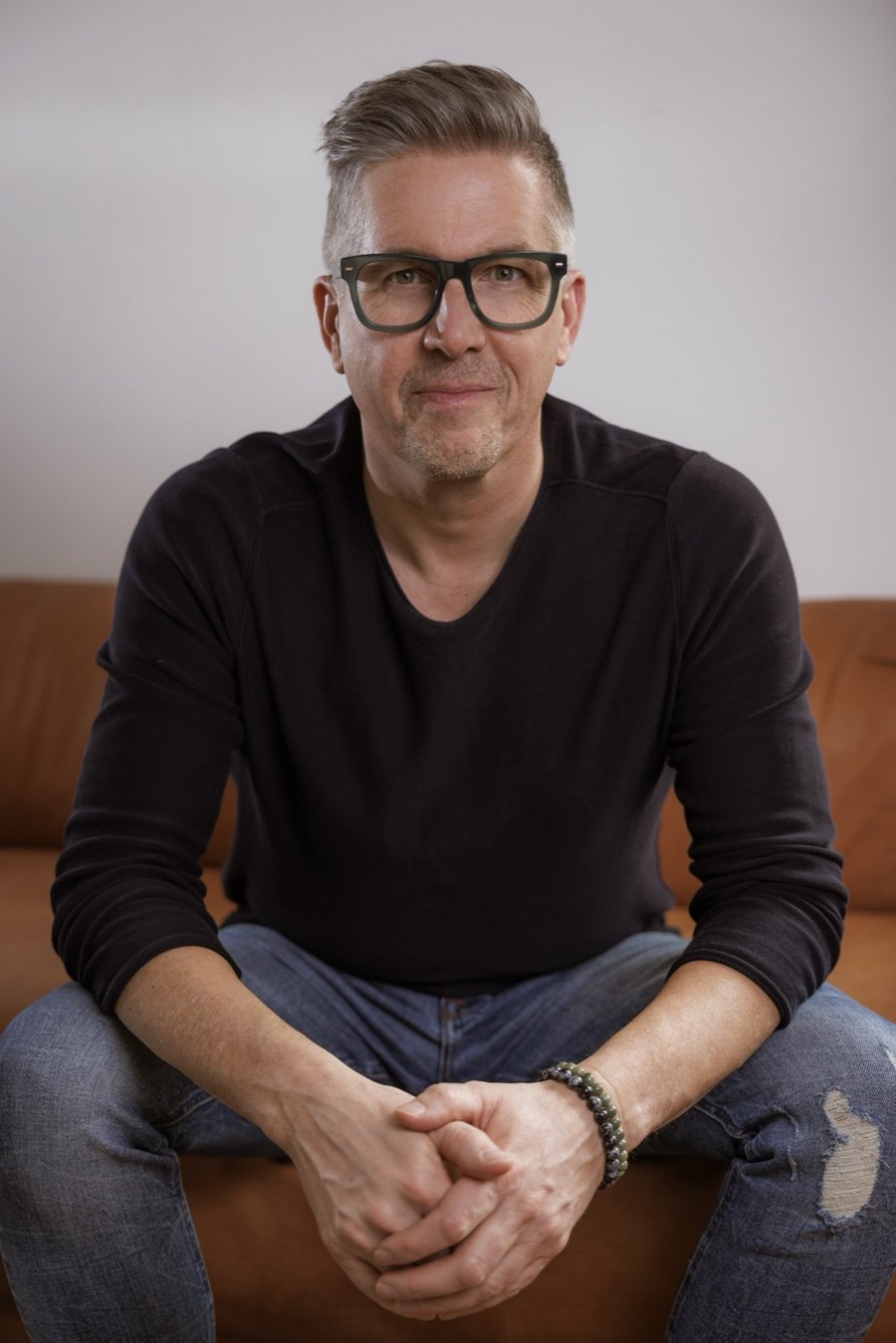
Around a hundred workshops with different teachers, many years as a student of two indigenous shamans in North America and Mongolia and of a teacher in the Moroccan desert. He has guided around two thousand people through rituals, safely in and safely back out.
Only what he knows from the inside himself is written here. What he hasn't done isn't here.
My intention with these pages: I share my knowledge so you can find the difference yourself. Between shamanic bullshit and something truly special.
Ask me the five questions.At the weekend in Sursee.
Two days, eight places, safely in and safely out. You see the craft from outside and feel it from inside. And you can ask every question on this page. Held in German.
See the weekend