
Not an outdoor sauna.What really happens in a sweat lodge, who ideally leads it, and what you ask beforehand.
Three hours. Pitch dark. Fifteen strangers in three metres, and a flap that stays shut until the leader opens it. I'll tell you what it's like from the inside.
Cleansing or vision ritual. CHF 90 to 220, depending on food. Flap or "door", clarify beforehand.
In short.
A shamanic sweat lodge is a cleansing or vision ritual, depending on the intention it's built with. A frame of willow, blankets over it, in the middle a hole in the earth for the glowing stones.
It isn't a sauna. You go in to die, that's the original form, and you come out as if new. The flap stays shut until the leader opens it.
The lodge from above.
This is how it looks if you've learned it. Two people carry the ritual: one inside next to the flap, one outside at the fire. The flap faces east. Whoever doesn't know why built it without having learned it.
- The earth pit in the middle, the glowing stones
- The seated circle, 8 to 20 people on the earth
- The flap facing east, stays shut until the leader opens it
- The leader sits next to the flap
- The fire in front of it has been burning since morning
- Fire woman, fire man stay outside the whole time
What a sweat lodge is.
Some know it as a sweat lodge. It's a cleansing ritual or a vision ritual, depending on the intention it's built with. And it's certainly not an outdoor sauna, even if it's sometimes sold that way online.
Not evening dark. Dark like the inside of something.
This is how it's built: a frame of willow, maybe three metres across, blankets over it, a hole in the earth in the middle. Entrance and exit are the same. Right in front of the entrance burns a huge fire, and in it lie the water stones until they glow. The fire woman or fire man hands them in to you, with a deer antler or, very practically, with a pitchfork. Ideally without ash. If there is ash on them, you learn in the first minute why that would have mattered: ash burns unbelievably in the eyes.
Inside you sit close together in the dark. Then come the rounds. Stones, water, herbs, drums, songs. Around three hours. And during that time the flap stays shut until the leader opens it.
The lodge comes from the indigenous traditions of North America. People who learned there brought it to Europe. There are related forms in Central America and Siberia. The names, the songs, the meanings belong to the peoples they come from. You won't find them here, and that's intentional.
What you'll find here is the lodge as it's built and led here. In Switzerland, Germany, Austria. I only write what I know from the inside myself. And I won't write you instructions. A lodge is built by whoever has learned it.
You go in to die. And you come out as if new.
Every sweat lodge has an alignment. That means: the direction the entrance faces. For most it's east. For a long time I didn't know why, I just learned it that way. The answer is actually simple: the sun rises in the east. Every day begins in the east. And the lodge is exactly that, a new beginning. The entrance, the small mound of earth in front of the door and the fire lie on one line, so the lodge receives the sun in the morning. The fire stands for the sun.
In North America that's the rule; in the temazcal in Central America the east stands for the beginning and the light. There are lineages that build differently. That's okay. But whoever leads a lodge can tell you where theirs faces and why. Whoever can't say hasn't learned it.
Two forms, one name.
Very important, and almost nobody tells you beforehand: online, both are called a sweat lodge. They're two different rituals, and you need to know which one you're booking before you sign up.
The flap closes and stays shut until the leader opens it. Between the rounds some air comes in briefly.
Whoever wants out says a word. For example "door". Then the door opens. Always. No discussion.
Only works if the leader knows every person in the lodge and doesn't lose anyone from their perception in the dark.
Only works if nobody chatters when someone leaves. No "stay, it's almost over".
The question "Can I take this?" belongs to you. Nobody takes it off you, the leader least of all.
The decision belongs to you, every second. Your body often makes it before your head is asked.
The original form. There's no plan B, and that's exactly where the lodge wants to take you.
The more common form today. The way back is built in before you crawl in.
Fits if you know what you're getting into and trust the leader because you know who they learned from.
Fits if it's your first time. And if you don't know yet what your body does with three hours of heat.
What isn't okay: the in-and-out sauna, where you come and go when you like, and which is still called a ritual. And the lodge in which someone says "stay, you can do it" after you've said door. Whoever says door gets the door. Everything else is group pressure in a tent.
How it runs.
The forms differ, the sequence is almost always the same. If you know what's coming, you can take care of what matters. Picture it like this.
The first. Hot like a sauna. It's the only one that is.
The second. The air gets thick. You breathe and get little.
The third. Down at the ground it's cooler. I'm telling you now.
The fourth. The point. You won't get through it with your normal awareness. That's exactly where it leads.
The gaps in the circle: the flap opens briefly. Air comes in, new stones come in. Fifty to eighty degrees, humid.
The building
A willow frame, about three metres, blankets over it, an earth pit in the middle. The entrance usually faces east. Some rituals last a whole day. That means you're there for the building, for bending the willows, for laying the blankets. Then the lodge doesn't begin with crawling in, but in the morning.
The fire
Right in front of the entrance burns a huge fire, often since morning. The water stones glow in it. At the fire stands the fire woman or fire man, the whole time. This person isn't in the lodge, and still is a very, very important part of the ritual. Just as focused as the leader, with an intention.
The briefing
The leader shows you the lodge and the fire and says what applies. How the rounds go. What you say if you want out. And what happens then. Whoever doesn't tell you that hasn't learned it.
Crawling in
A cloth around you, some go naked. You crawl in over the ground and sit on your towel, on the earth. Remember this towel. When you come back out, it's three times as heavy.
The first round
The flap closes. Dark. Not evening dark, dark like the inside of something. The first stones go into the earth pit, water on them, herbs, drums, a song. The first round is hot like a sauna. It's the only one that is.
The further rounds
Usually four. Between the rounds the flap opens briefly, air comes in, new stones come in. From the second round on, the air gets thick. You breathe and get little. Down at the ground it's cooler, I'm telling you now.
The point
At some point comes the moment you notice: I won't get through this with my normal awareness. That's exactly where the ritual leads. And after that comes something else.
Crawling out
One after another, slowly. The first breath outside, that's why people come back. Nobody talks. You don't ask how it was. You can see it.
What your body does.
The eyes give up first. Salt from inside, smoke from outside, and both burn so much that seeing is no longer an option. In the pitch dark nobody misses it. Your body just doesn't know that.
Then the sense of time goes. Three hours without a clock, without light, without any reference point. You can count the rounds as long as you're counting. At some point you stop counting.
The heat in the lodge is different from a sauna, because of the wet air. Sweat only cools you if it evaporates. In wet air it doesn't evaporate, so your body temperature rises with every stone. Your heart beats faster to bring heat to the skin. Your circulation works like when you're running, just without moving. Sit lower, head almost on the earth, there you get cooler air. Some press their mouth back against the blankets just to get any air at all. I've done that. Both are allowed, and neither is giving up.
What you lose in there: water, salt, strength. What you mustn't lose: what you went in for. Your intention. If you found it beforehand, you have something inside that stays when everything else goes. If you go in without one, you endure. And enduring is something other than going through.
Your body often decides before your head is asked.
The first breath outside. That's why people come back.
Who ideally leads it.
A sweat lodge actually always has two people. The leader inside and the fire woman or fire man outside. And you see straight away whether someone has just been posted to make the fire, or whether the person loves fire. Honestly, that's one of the most important things during the ritual. The person outside isn't in the lodge, and still is a very, very important part of it. Just as focused, with an intention. That's hugely important for it to succeed.
Whoever leads a lodge has learned it. In most traditions that takes around three years, and you learn both sides.
You start outside, as fire woman or fire man. You learn the fire until you can feel when a stone is ready. Which goes in first and which last. How you lift it so the ash falls off. That's craft, and you see in the first minute whether someone can do it. How much smoke you get inside depends on how cleanly the person at the fire works.
Inside comes the second side. The leader sits at the entrance, knows every person in the lodge and doesn't lose anyone from their perception in the dark. They hear who's breathing differently. They know when a stone is one too many and when the flap opens. You don't learn that in a weekend, and it isn't in any certificate. Shaman isn't a protected profession, and neither is leading a sweat lodge. Nobody checks it. You check it, with one single question: how many sweat lodges did you accompany before you gave your first alone?
And one more thing that matters to me. The knowledge is out there, and it no longer belongs only to the tribes it comes from. At some point one of my teachers decided to pass his lodge on to white people. Why? Because in his own tribe fewer and fewer people do the traditional rituals. Without passing it on, the knowledge would have gone with him. That mattered more to him than the origin of the people who carry it. That's why what counts for me is whether someone has learned it, and from whom. Not where the person comes from.
What you need to be clear about.
Who shouldn't go in.
The Preparation.
The preparation is the bigger part of the ritual. The lodge lasts three hours. The preparation starts the day before, and the most important part of it is a question for you.
No alcohol, nothing heavy to eat. Eat lightly, nothing in the last three hours.
Two towels. The first is three times as heavy afterwards.
Drink a lot, all day. Water, not coffee.
A cloth of cotton or linen. No synthetics, they stick in the heat.
Tell the leader about medication and diagnoses. Beforehand, not in the lodge.
Jewellery off. Metal gets so hot in the heat that it burns. I know that from an eagle claw.
The question for you: how do I want to feel when I come out? One word. Five seconds. Finger on the spot.
Warm clothes and a blanket for afterwards. Your body cools down quickly.
Don't bring anyone who doesn't want to come. And don't talk anyone into it.
Water with a little salt for the way home. And time. No appointments in the evening.
Questions before your first sweat lodge.
Six for the person leading, one for yourself. You need no background for this. A sentence is an answer, ten minutes aren't.
- How many sweat lodges did you accompany before you gave your first alone?
- Who stands at the fire, and how long has that person been doing it?
- What happens if I want out halfway?
- Which way does the entrance face, and why?
- How many people do you take into the lodge?
- Why do you do this?
A sentence is an answer. Ten minutes aren't.
The three questions that apply to every ritual have their own page: how to spot spiritual nonsense with three questions.
The The way back.
The first breath outside, I can't describe it to you. Air on skin that for three hours knew nothing but heat. The fire that kept burning for you the whole time. The eyes of the others, shining, all of them. And over everything a silence in which nobody would think of saying anything. You don't ask how it was either. You can see it.
Leave the others alone. Whoever sits down by the stream twenty metres away after the lodge, back to the group, needs exactly that. Ten minutes, then maybe a word. Maybe none.
Drink a lot, eat something, don't drive straight away. And let it work. A sweat lodge keeps working for days, sometimes weeks. Whoever books the next one straight away interrupts exactly that.
For the leader the ritual isn't over with the flap. It's over when everyone is back. First the eyes, then the chest, then the laughter. Whoever clears up straight after the lodge or lets the next group in hasn't learned the bigger part of the craft: bringing people back.
No ritual without a way back.
Common questions.
Who writes this.
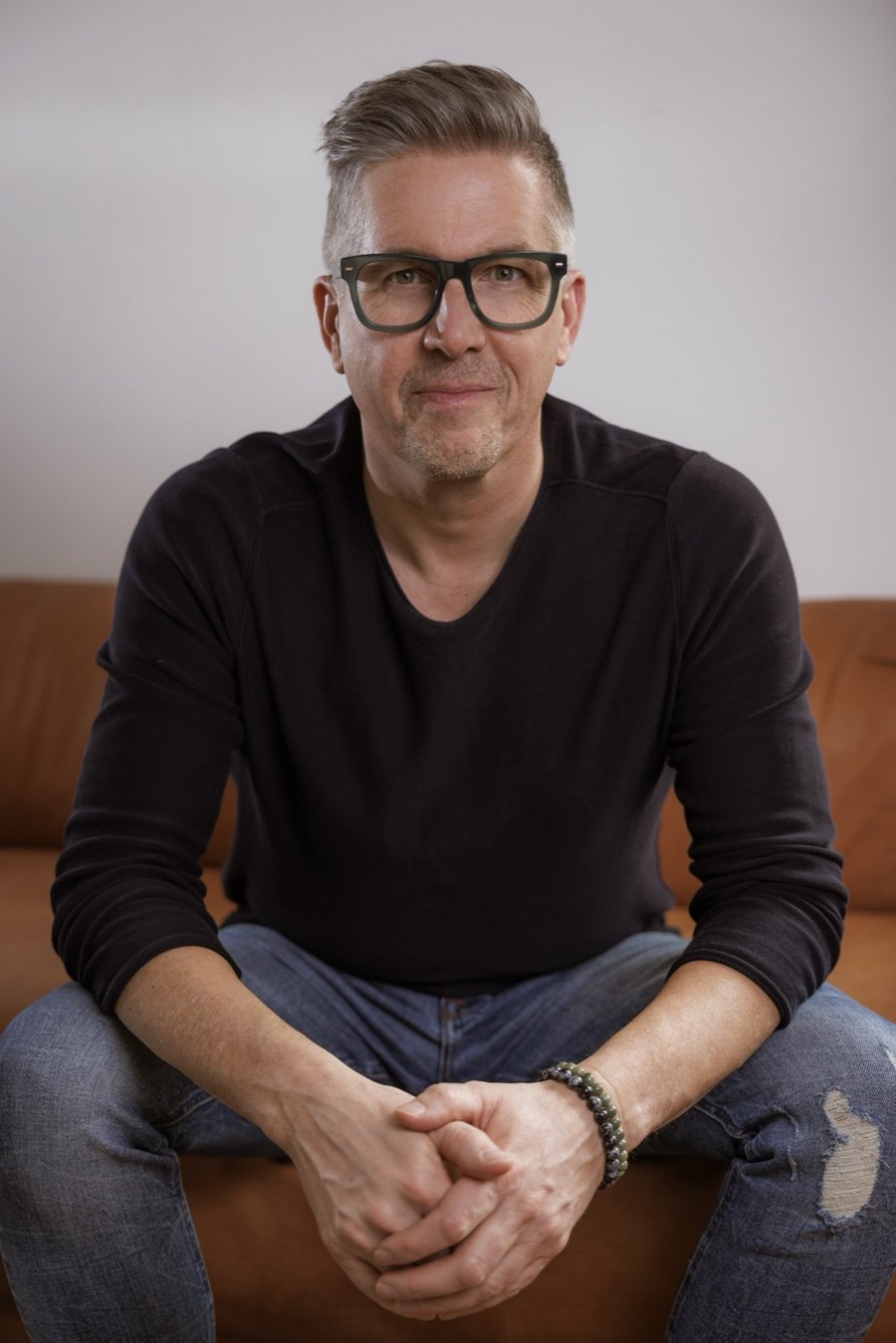
Around a hundred workshops with different teachers, many years as a student of two indigenous shamans in North America and Mongolia and of a teacher in the Moroccan desert. He has guided around two thousand people through rituals, safely in and safely back out.
Only what he knows from the inside himself is written here. What he hasn't done isn't here.
My intention with these pages: I share my knowledge so you can find the difference yourself. Between shamanic bullshit and something truly special.
Rituals work.The question is in which direction.
In mentoring you practise exactly that for six months: knowing where you are, seeing what is there, and holding your own direction. Even when someone else in the room has the drum.
See the mentoring