
Don't touch.What the deanimated state is, what is allowed to stop in it, and how people come back out of it safely.
In rituals it happens that someone falls into a state in which the body can no longer move. For the person it can be the strongest moment of the evening. For the leader it's the test. You won't find this term explained anywhere else, so here it is.
A deanimated state is a state in which your body seems switched off. You know you can't move anymore. Your awareness stays awake.
If you can relax into this state, it's a gift. If you fight it, you panic. Often the only difference is whether someone explained it to you beforehand.
What exactly it is.
We have to define something you won't find anywhere else. I call it the deanimated state. Your body falls into a particular state in which you know you can't move anymore. You're awake. You notice what's happening in the room. And you can't do anything.
It happens in deep rituals. In plant rituals, in strong breathwork, where it can be explained physically as tetany, and sometimes in deep dream journeys. And if you can relax into this state, it's a state in which something is allowed to stop. If you fight it, it's panic.
For the leader, this is the real test. What happens now decides the outcome. The most important rule: don't touch. People in this state get the fright of their life when they're suddenly touched. Bringing them back safely is a craft. And you don't learn a craft from books.
Don't touch.
The body stands still. Awareness doesn't.
This is the state most leaders have never seen and still set off. The body stops moving. The person hears everything. And the only rule that counts sits in the middle.
- It starts quietly: hands, jaw, then the whole body
- Awareness stays awake, the person hears everything
- Don't touch
- The return: the leader brings them back, calmly, without grabbing
How it runs.
The forms differ, the sequence is almost always the same. If you know what's coming, you can take care of what matters.
It starts quietly
The body gets heavy, the movements stop. From outside it looks as if someone has fallen asleep or drifted off.
The person is awake
They notice what's happening in the room. And they can't do anything. This is the moment that decides whether panic comes.
Relax or resist
Whoever knows what's happening can let themselves fall into it. Then it becomes one of the deepest moments a ritual has to offer. Whoever doesn't know fights their own body.
The leader is tested
Don't touch. Stay calm. Lead with the voice. Everything else is craft that has to sit right at this point.
The return
It happens by itself, and it can be accompanied. First the eyes, then the chest, then the laughter. After that the person needs time, warmth, and someone who interprets nothing.
Safely in. And safely back out.
What you need to be clear about.
Questions before your first deep ritual.
Three for the person leading, one for you. A sentence is an answer, ten minutes aren't.
- "What do you do when someone can't move anymore?"
- "Who is there when something unexpected happens?"
- "How do you bring us back?"
A sentence is an answer. Ten minutes aren't.
The five questions that apply to any leader have their own page: Look closely. Ask.
Being unable to move can also have medical causes. With unconsciousness, irregular breathing, a seizure, blue lips, or if someone doesn't respond, no ritual knowledge applies anymore, only the emergency number (144 in Switzerland). A deanimated state is something else: the person is awake, responsive, breathing calmly, they just can't move. If you're not sure which of the two it is, treat it as an emergency.
And afterwards?
After a state like this, a person needs warmth, quiet, time. And above all nobody explaining what it was supposed to mean. Ask whether someone wants something to drink. Stay close without talking.
Whatever needs saying, the person says it themselves when they're ready. Sometimes they say nothing for days. That's fine too.
Safely in. And safely back out.
Common questions.
Who writes this.
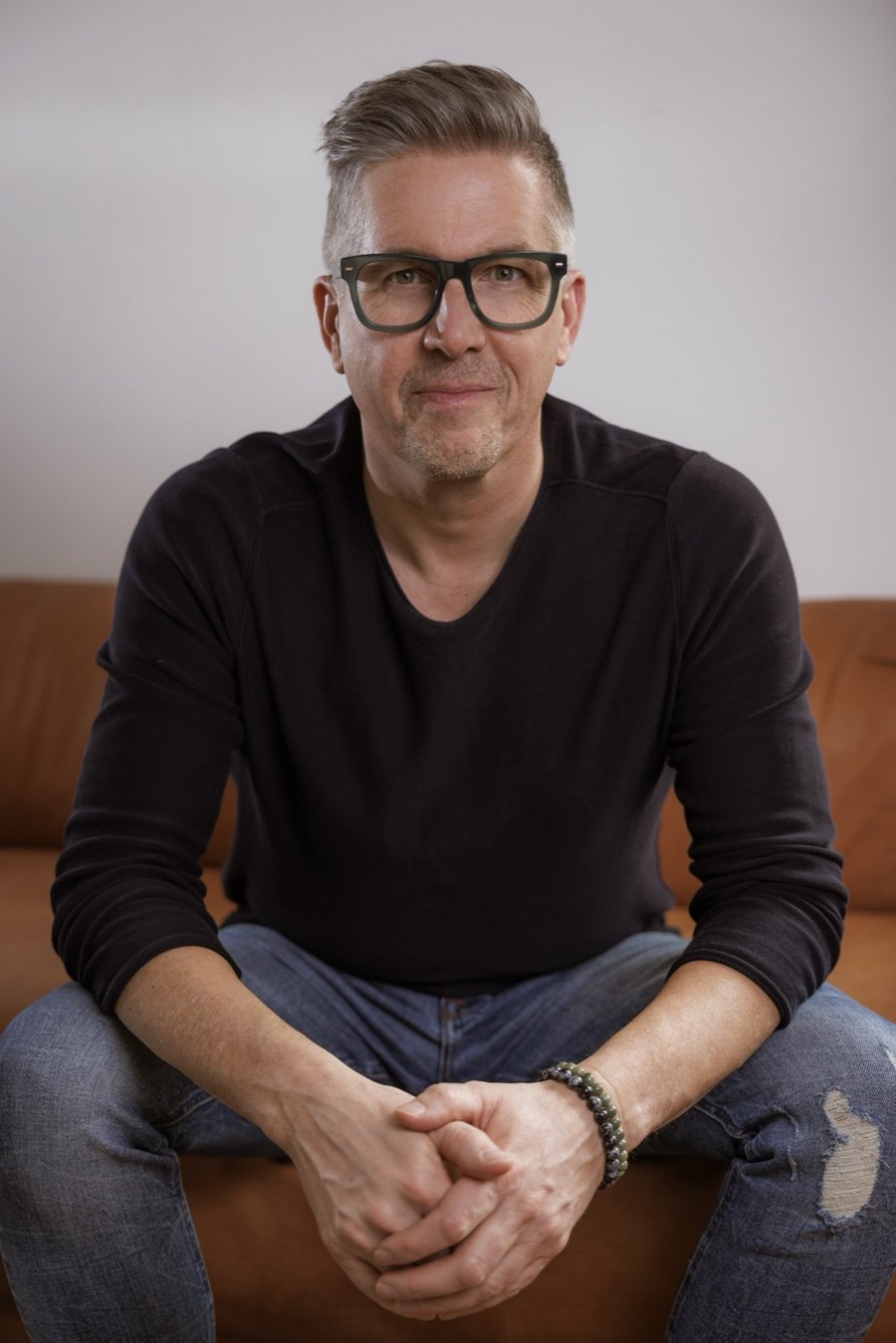
Around a hundred workshops with different teachers, two breathwork trainings, many years as a student of indigenous shamans in North America and Mongolia and of a teacher in the Moroccan desert. He has guided around two thousand people through rituals, safely in and safely back out.
Only what he knows from the inside is written here.
My intention with these pages: I share my knowledge so you can find the difference yourself. Between shamanic bullshit and something truly special.
Safely in.And safely back out.
That's the whole job of someone who leads a ritual. Everything else, the drum, the herbs, the words, is decoration. If you can ask only one question before you lie down somewhere, ask this one: how do you bring people back safely?
See the mentoring