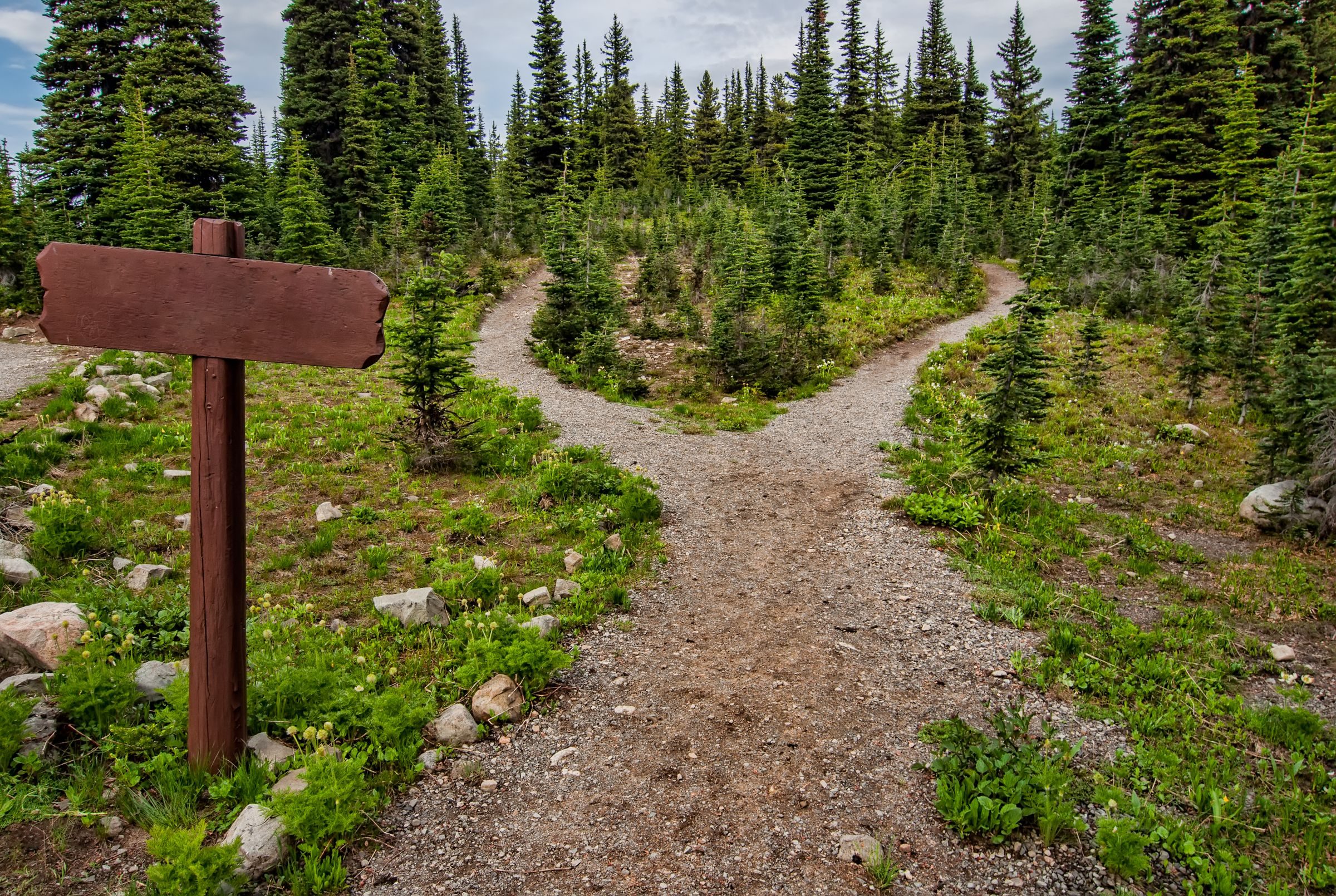
Four paths. No oversight.What it means to do shamanic training in Switzerland.
If you search, you'll find everything from a weekend to a three-year training, and they all have similar names. Here I sort the paths for you, without recommending one and without names. From someone who did around a hundred workshops with different teachers. Always as a student.
Shaman isn't a protected profession. No register, no state exam, no oversight. Every certificate is a piece of paper from the provider who issues it.
That doesn't make the offers bad. It just means: you decide what something is worth. And nobody does that for you.
What shamanic training is.
Shamanic training isn't a protected term in Switzerland. No state qualification, no register, no oversight. Every certificate is a piece of paper from whoever issues it.
The craft is passed on in four ways. In a weekend seminar as a way in. In a year-long training with fixed modules. In an indigenous lineage, over years, without a course format. And in personal mentoring over months. The same thing is learned on all four: perceiving what is there, knowing where you are, and holding your own direction.
What carries a path isn't its curriculum. It's whether you practise between the meetings, and whether someone watches you while you do. Whoever promises you a result promises too much.
The four paths, and what each is good for.
No path is better than another. They're good for different things. The catch is listed on purpose, because otherwise nobody tells you.
The weekend seminar
Two days, one topic, usually a group of eight to thirty people.
Suits you if: For first contact. You experience a ritual from the inside and find out whether it interests you at all.
The catch: A weekend makes you nothing. Whoever offers rituals afterwards has two days of experience. Ask how many workshops the person did themselves before they gave their first.
The year-long training
Modules over one to three years, fixed dates, a fixed group, usually a certificate at the end.
Suits you if: For everyone who needs structure and learns well in a group. The path is planned, you just have to show up.
The catch: The curriculum is the same for everyone, your pace isn't. Whoever is faster waits. Whoever is slower just keeps up.
The indigenous lineage
No course, no registration, no brochure. You're accepted or you're not, and it takes years.
Suits you if: For people who have been on the road for a long time and have time, a lot of time.
The catch: You can't book it. Whoever offers it to you in a brochure is offering something else.
Personal mentoring
A small group or one to one, over months, with regular time just for you.
Suits you if: For everyone who wants to work on their own between meetings and needs someone watching while they do.
The catch: It stands or falls with the person who mentors. Ask before you commit. Me too.
Four paths, by time.
No path is the right one. Each is good for something else, and each has a catch. The length of the bar is the time you have to bring.
- The weekend seminar: 2 days. Makes you nothing, shows you whether it interests you
- The year-long training: 1 to 3 years. Fixed plan, your pace doesn't count
- The indigenous lineage: years, can't be booked
- Personal mentoring: months. Stands or falls with the person
How you recognise a good path.
On the left, what's often on offer. On the right, how you notice that someone knows their craft. Both exist on all four paths, expensive and cheap.
The third row is the most important. A ritual keeps working afterwards. What you do between two meetings decides more than what happens in the room.
What a certificate is worth.
A certificate says: this person was there and paid. It can't say more, because nobody checks what you can do afterwards. There's no body you could complain to. And none that takes anything away from you.
That's no accusation against providers. That's the situation. Whoever is honest about it tells you before you sign up. Whoever sells you a certificate as a professional qualification is telling you something that isn't true.
You're born a shaman. You can learn the craft.
And one sentence on responsibility. Whoever offers rituals themselves after a training leads people into states in which they're vulnerable. Nobody checks that responsibility. Except you.
The three questions before you sign up.
They take five minutes and show more than any online review. Two you ask the leader, one you ask yourself. And on top, the one that counts for any training: how many workshops did you do yourself before you gave your first?
- "How many workshops did you do yourself before you gave your first?"
- "What does healing mean to you?"
- "What happens if I want to stop halfway?"
A sentence is an answer. Ten minutes aren't.
How to spot spiritual nonsense with three questions, with the table of what counts as an answer and what is dodging.
You're born a shaman. You can learn the craft.
Common questions.
Who writes this.

Around a hundred workshops with different teachers, many years as a student of two indigenous shamans in North America and Mongolia and of a teacher in the Moroccan desert. He has guided around two thousand people through rituals, safely in and safely back out.
This page deliberately names no names and no providers. Whoever is looking for a recommendation won't find one here, only the questions to decide for yourself.
My intention with these pages: I share my knowledge so you can find the difference yourself. Between shamanic bullshit and something truly special.
Six months.One to one. Two hours in person every month.
Mentoring is the fourth path, in the form offered here. No curriculum for everyone, but your pace, and someone who sees over six months how you're doing. Held in German.
See the mentoring