You get a theme served to you.What separates plant rituals from a shamanic dream journey, and what you need to clarify beforehand.
Ayahuasca, ayahuasca with tobacco, mushroom journeys. There are more and more of them, and the forms keep multiplying. No instructions, no recommendation. But a difference hardly anyone tells you about.
Healing ritual where it comes from. Not legal in Switzerland (DMT, psilocybin). MAO inhibitors, interactions.
In short.
In a plant ritual you get a theme served to you. The intention you go in with and what you get are two different things.
In a shamanic dream journey, with only drum and sound, you go in with an intention and can hold it through the whole ritual. That's the biggest difference.
One night, from start to finish.
From sunset to sunrise. Most of the night isn't the effect, it's what comes before and after. Whoever offers only the middle is selling you a theme you didn't choose.
- The preparation: days before, a diet, no medication
- The setting: circle, leader, who sits beside you
- Taking it: bitter, then waiting
- The effect: 4 to 6 hours, you get a theme served to you
- The return: until sunrise, and the days after
Pea milk in the cappuccino, and no intention.
At a festival you can watch how carefully people order their coffee. Pea milk, almond milk, oat, plus the question whether the syrup really has no sugar. The choice today is gigantic, and the care people take is real.
That's no criticism. That's how the human system works, and it rather makes me smile.
It only stands out right next to it. Two hours later the same people stand in front of a ritual that goes deeper into them than any milk, and they've given zero thought to the intention they go in with. They go and consume.
And that's exactly where it starts.
With coffee, everyone asks. Before a ritual, almost nobody.
What exactly it is.
Plant rituals are ceremonies in which a psychoactive plant or mushroom is taken. Most often ayahuasca, often with tobacco, or mushrooms. By now they exist in an unbelievable number of forms, from the traditional ceremony to retreats for travellers, and there are more every year.
I've done several of these journeys. Out of curiosity, honestly, because I wanted to understand the difference from the clean shamanic dream journeys that work only with drum and sound. And for me the main difference is this: in plant rituals I get a theme served to me. That means the intention I went into the ritual with and what I got were two different things.
On a drum journey I go in with an intention and can hold that intention through the whole ritual. For me that's the huge difference. Both can be valuable. You should just know which of the two you're booking. And whether the people there can bring you in safely and back out safely.
You get a theme served to you.
How it runs.
The forms differ, the sequence is almost always the same. If you know what's coming, you can take care of what matters.
The preparation
Usually a diet over several days. No alcohol, certain foods off the table, often a conversation beforehand. How seriously that's taken tells you a lot about the provider.
The setting
A room or a hut, mats, buckets, dimmed light. The ceremony usually lasts a whole night. Often several in a row.
Taking it
One at a time, one after another. Then comes a wait in which nothing happens yet. For many that's the most restless part.
The effect
It comes in waves, often through the body: nausea, vomiting. What comes up isn't decided by you. The theme is served to you.
The return
Towards morning it fades. Whether someone is there who notices how you're doing is decided now. Not in the brochure.
With coffee, everyone asks. Before a ritual, almost nobody.
What you need to be clear about.
Questions before your first plant ritual.
Three for the person leading, one for you. Whoever takes a calm question as an attack has already given the first answer.
- "How do you bring people back safely?"
- "Is this a healing ritual or a vision ritual?"
- "Who can I reach in the days after?"
A sentence is an answer. Ten minutes aren't.
The five questions that apply to any leader have their own page: Look closely. Ask.
In Switzerland and most European countries, DMT, which is in ayahuasca, and psilocybin fall under narcotics law. Ceremonies aren't legal here, whatever they're called. Medically, the biggest danger is interaction: ayahuasca contains MAO inhibitors, and together with many antidepressants, especially SSRIs, they can lead to a life-threatening serotonin syndrome. With heart disease, and with psychosis or bipolar disorder in your own or your family's history: don't. This page names no dosages, no sources and no providers.
And afterwards?
What opens in one night takes weeks. The time afterwards is called integration, and it's the part most people underestimate. Talk to someone who listens without interpreting. Write down what you saw, not what it means.
And don't book the next ceremony to understand the last one. You do a ritual when it's needed. Afterwards you let it work.
A ritual is done when it's needed.
Common questions.
Who writes this.
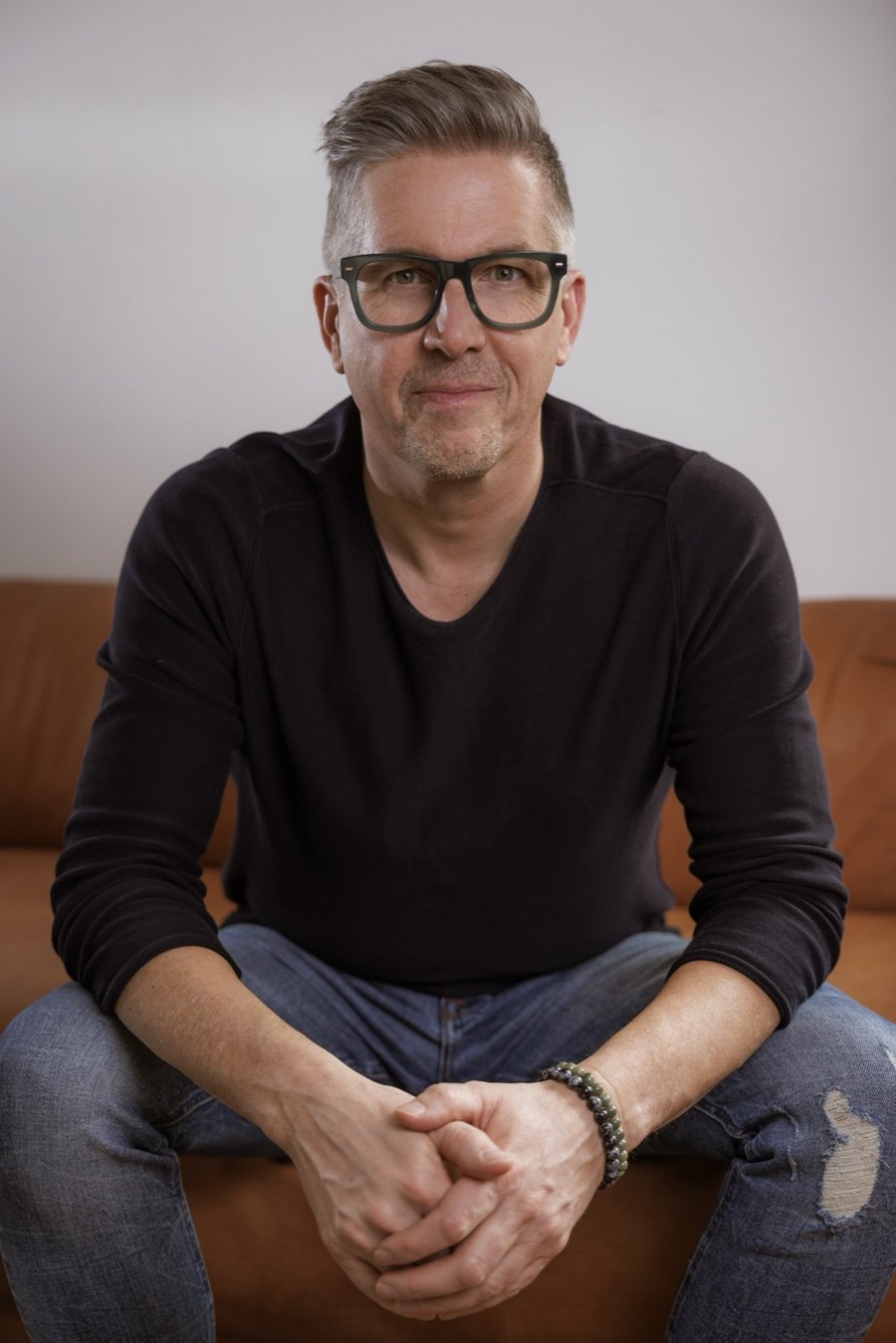
Around a hundred workshops with different teachers, two breathwork trainings, many years as a student of indigenous shamans in North America and Mongolia and of a teacher in the Moroccan desert. He has guided around two thousand people through rituals, safely in and safely back out.
Only what he knows from the inside is written here.
My intention with these pages: I share my knowledge so you can find the difference yourself. Between shamanic bullshit and something truly special.
It doesn't matter to mewhere you book.
Whether you book a workshop with me or with someone else honestly doesn't matter that much to me. Above all I want you to be well. And that only works if you find out two things for yourself: that you discover the totality of your existence, and that you're clear about what this ritual is meant to be.
See the mentoring