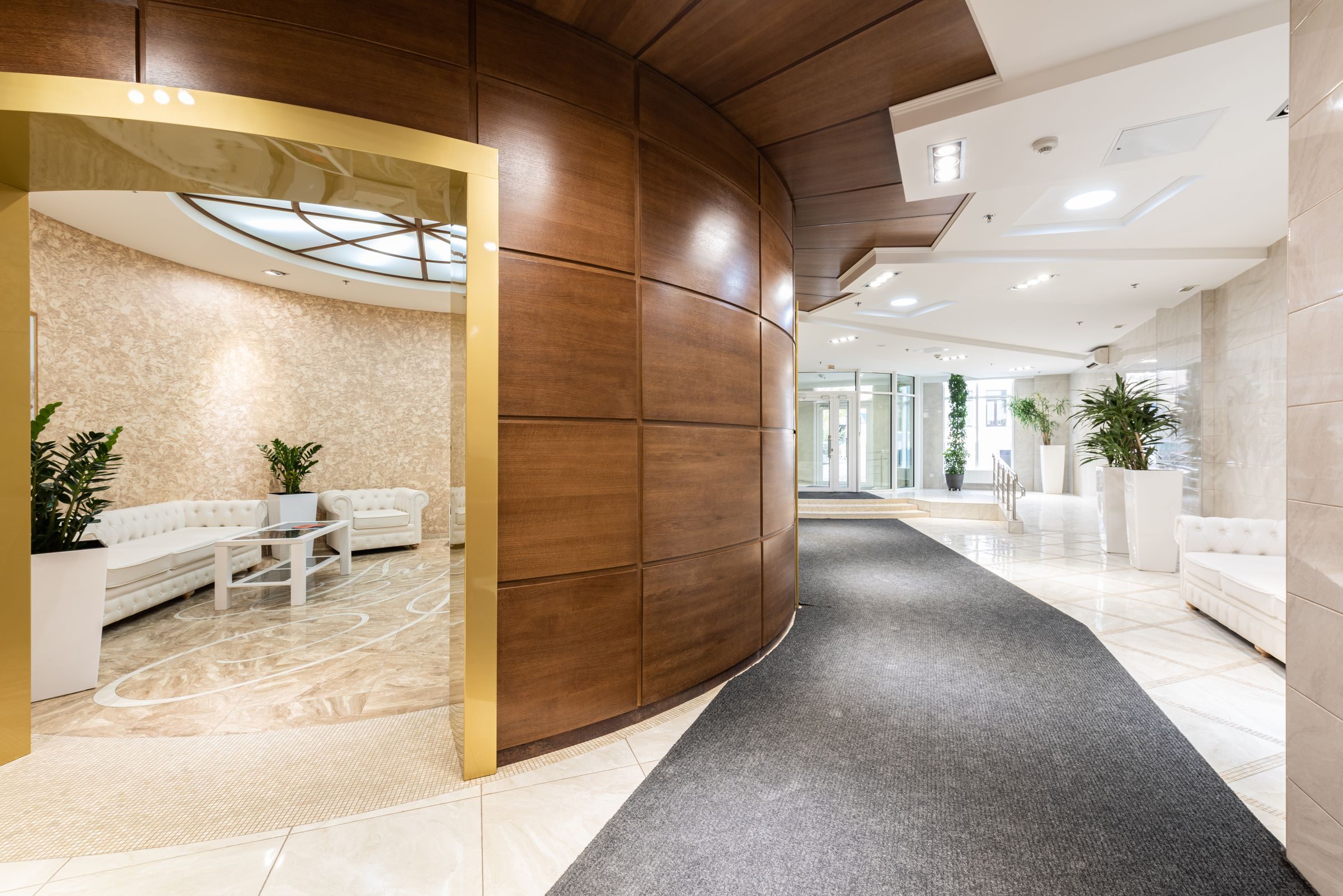
The hotel lobby.Shamanic dreaming, a practical application. How I turned conferences into an experience.
Shamanic dream journeys let you dream things before they happen. I'll give you a practical example from my time in learning and development.
A vision ritual in everyday life. For everyone who runs events, courses or conferences.
In short.
I sit down in the hotel lobby and watch the day as it's going to be. Like a film. Where people come in, where they go, where they get coffee, where the nearest toilets are, where the bar is in the evening.
Pause, draw it in, fast forward. At the end I have a plan no floor plan gives me. And people have a day that runs.
The Kit.
This comes first because it's always the same. I have blank paper with me. I have pens with me, maybe two or three colours. That's all.
Then one afternoon I drive to the hotel and sit down in the lobby. Somewhere I'm as unobserved as possible. No laptop, no meeting with the banquet manager. Just sitting.
Blank paper. Two, three colours. A lobby.
The example.
A conference in Switzerland. People had flown and travelled in from all over Europe for an innovation workshop. The concept was mine, meaning the idea of how it would basically run, the topic, all of that was set. Then it was about choosing the hotel.
And then I sit in that lobby and watch, like in a film, how the day will be when the people arrive. How do they arrive? What are the flows? Where do they come in? Where's the seminar room? How does it run?
And then I simply know: I need three, four signs. And I know where they have to stand. Not because I thought it through. Because I saw where people stop and look around.
I always dream it in sequences. Watch what happens, how it happens, and make notes so I still know afterwards.
Once through. Then in sequences.
I have several ways of doing it. One is: I dream it all the way through once, from start to finish.
And then the second: sequential dreaming. For me this dreaming has the quality of a good Netflix film. I can watch a sequence again and again, press pause, quickly draw it on the plan, and fast forward again. Next sequence.
It's a detailed dreaming, paired with experience, logically. The picture of a hundred and twenty people in front of one toilet isn't something I made up. I lived it once. The dream brings it up before it happens again.
Pause. Draw it in. Fast forward.
People come in. Where do they stop? Where's the cloakroom? Who tells them where to go?
How big is it? Where are the tables? Where's the coffee? How do they walk back out?
Where are the nearest? How many? When a hundred and twenty people stand up at once, one toilet won't do. Otherwise the break lasts two hours. So: a sign showing where the nearest ones are.
Where are they beforehand, when they're not in the room yet? Where do we do the mic check?
Is there one? How big? How close to the room where the event runs? What are the routes through the hotel?
In which room do we eat? Do we need an area at the bar reserved for the big group?
The company always needed a security concept. A quick look at what we need. And back to the start.
Pause. Draw it in. Fast forward.
Once all the way through, like a film. Then in sequences: stop, draw it on the plan, carry on. The dream brings up what you've lived before, before it happens again.
- Once all the way through: from start to finish, like a film
- Pause: stop, draw it on the plan
- Fast forward: next sequence
- Blank paper, two, three colours, a lobby
Why I did it.
For me it was always about the people, first and foremost. That people have an experience. That they enjoyed these events. I really trained this ability to turn an event into an experience.
Any AI can do an agenda for an event in no time today. Probably even better than I ever did in my life. But experience design, looking at rooms, looking at flows, that's still hugely important today. And that as a quality makes the huge difference.
I'd really invite everyone in learning and development to develop personal techniques. Maybe you've long had good ones. Then I'm just sharing here how I do it. Maybe it's an inspiration. Maybe it puts a smile on your face. Maybe you say he's got a screw loose. Honestly, I don't mind.
That's a practical example of where the many dream journeys I've done help me in a very practical way. Not in the forest. In a hotel lobby.
AI can do the agenda. Not the experience.
AI can do the agenda. Not the experience.
Common questions.
Who writes this.
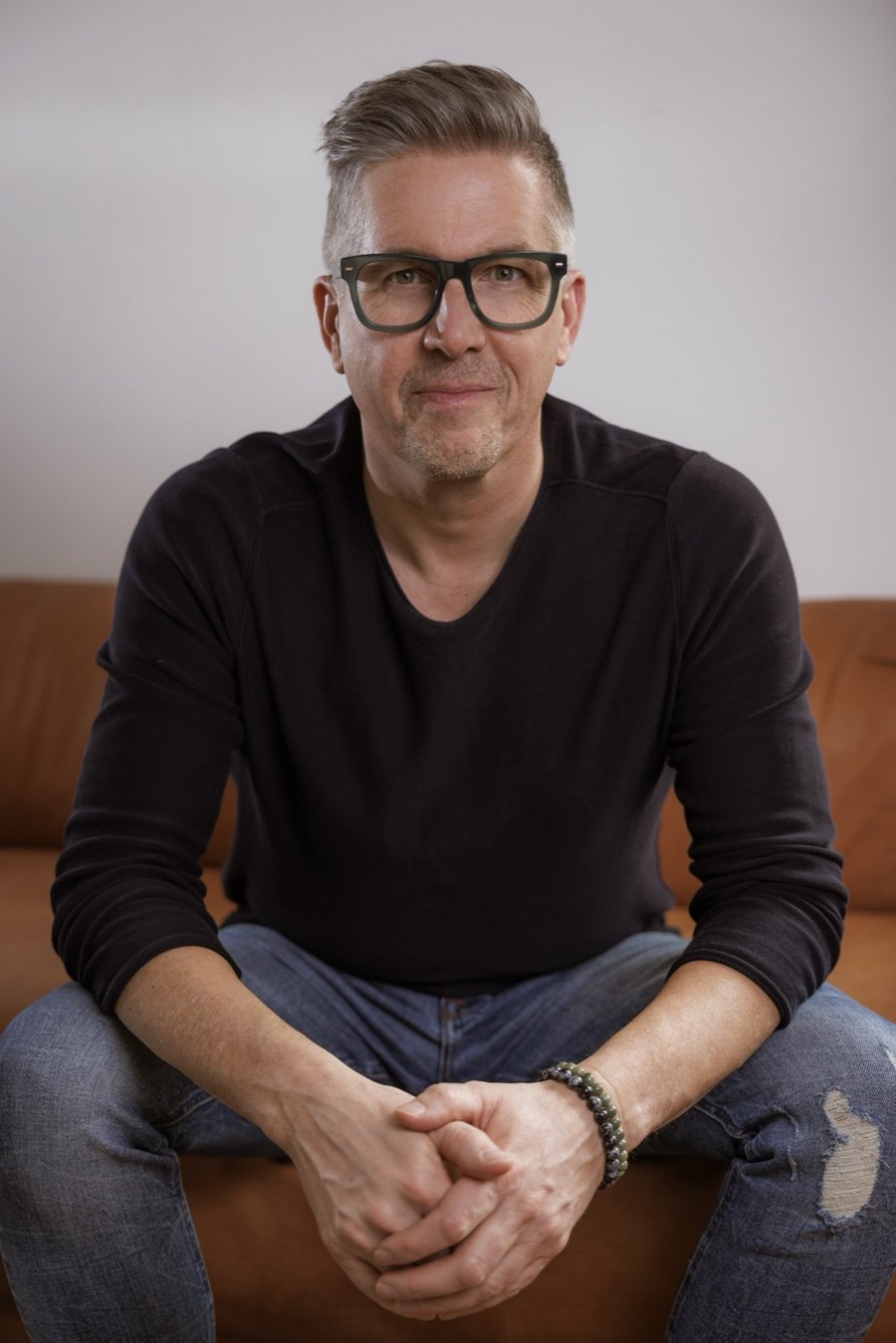
Twenty-five years of learning and development in around thirty countries, conferences and learning formats for leadership teams. Alongside that, many years as a student of two indigenous shamans in North America and Mongolia and of a teacher in the Moroccan desert. He has guided around two thousand people through rituals.
Only what he knows from the inside himself is written here. What he hasn't done isn't here.
My intention with these pages: I share my knowledge so you can find the difference yourself. Between shamanic bullshit and something truly special.
You don't learn dreaming in the lobby.You learn it in the dream journey.
At the weekend in Sursee you go into a shamanic dream journey yourself, safely in, safely out. Dreaming in everyday life comes afterwards, with practice.
See the weekend