
The cacao isn't the ritual.The circle is. What really works in a cacao ceremony.
A pot, candles, fourteen people in a half circle, and at the end almost everyone cries. Honestly, that rarely comes from the cacao.
Healing ritual. CHF 40 to 90. Take care with antidepressants and heart conditions.
In short.
A cacao ceremony is a group ritual. You drink ceremonial cacao, usually thick, bitter, with chilli. It comes with a round in which everyone says their intention, songs, silence, and at the end a round in which everyone tells what happened.
The cacao itself is mild. It opens nothing that isn't already there. What works is the circle: fourteen people doing the same thing at the same time and being honest while they do it.
The circle, not the cup.
Seven to thirty people in a circle, the cacao in the middle. What works is the sequence: arriving, speaking the intention, singing and being silent, and at the end the round in which everyone says what happened.
- Arriving
- The intention round: one sentence per person, where in the body
- Songs and silence
- The closing round: what happened, in one sentence
- Arriving
- The intention round: one sentence per person, where in the body
- Songs and silence
- The closing round: what happened, in one sentence
What a cacao ceremony is.
I'll tell you right at the start what the cacao does: it warms you, it makes you slightly awake, it tastes bitter. That's all. What makes the evening a ritual isn't the plant. It's the group.
The sequence is almost the same everywhere. First you hold the cup in both hands for a while. Then, one by one, everyone says with what intention they're there. Then songs, then silence, and at the end a round in which everyone tells what they experienced.
And then the thing happens that almost always happens: fourteen people are honest at the same time, and for two hours they build a shared reality. In that reality crying comes easily. When twelve cry, you cry with them. That's no weakness, that's a ritual that works. The only question is: are those your tears?
Whoever goes in without a direction of their own cries along and afterwards doesn't know whose tears they were. Whoever goes in with a direction of their own takes something home.
The cacao isn't the ritual. The circle is.
How it runs.
The forms differ, the sequence is almost always the same. If you know what's coming, you can take care of what matters.
Arriving
Shoes off, cushions, cups. In the middle a cloth with flowers, a candle and the pot. It smells of chocolate and of something spicy.
The cacao
You don't drink it straight away. First you hold it in both hands for a while. Usually you hear where it comes from and from which family.
The intention round
One by one, everyone says why they're there. The word for it is almost always intention. The answers repeat: self-love, letting go, arriving, clarity. Remember this round, it comes back in a moment.
Songs and silence
Simple melodies you sing along with the second time. Then it goes quiet. And usually comes the invitation to lay a hand on your heart.
The closing round
Everyone tells what they experienced. Most talk for a long time. Nobody has to.
The cacao isn't the ritual. The circle is.
What you need to be clear about.
Questions before your first cacao ceremony.
Three for the person leading, one for you. A sentence is an answer, ten minutes aren't.
- "What does healing mean to you?"
- "What happens if I want to leave halfway?"
- "Do you ask in the intention round where we feel it?"
A sentence is an answer. Ten minutes aren't.
The five questions that apply to any leader have their own page: Look closely. Ask.
And afterwards?
In the evening everything is soft, and that's how it should be. The question comes on Monday: what's different now? If nothing comes to mind, it was a lovely evening, nothing more. And that's fine too.
Whoever books the next ceremony straight away to hold on to the feeling has started collecting rituals like appointments. You do a ritual when it's needed. Afterwards you let it work.
What's different on Monday?
Common questions.
Who writes this.
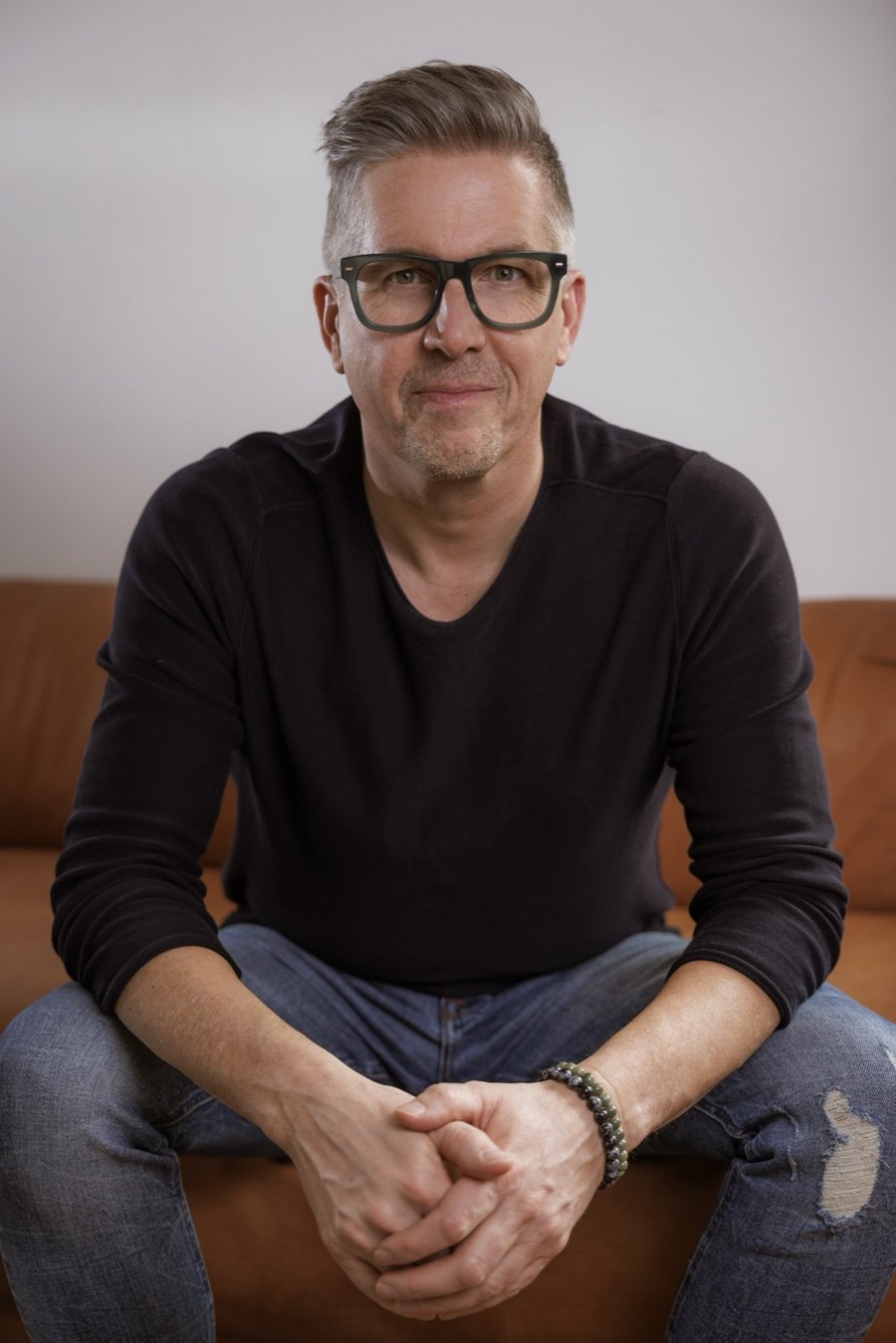
Around a hundred workshops with different teachers, many years as a student of two indigenous shamans in North America and Mongolia and of a teacher in the Moroccan desert. He has guided around two thousand people through rituals, safely in and safely back out.
Only what he knows from the inside himself is written here. What he hasn't done isn't here.
My intention with these pages: I share my knowledge so you can find the difference yourself. Between shamanic bullshit and something truly special.
Rituals work.The question is in which direction.
In mentoring you practise exactly that for six months: knowing where you are, seeing what is there, and holding your own direction. Even when someone else in the room has the drum.
See the mentoring